

The Logic of Colour
Imagine seeing sound, not as a metaphor but as reality. Music spills into colours, words trace textures across the air, and emotions arrive not as feelings but as vibrations.
Imagine seeing sound, not as a metaphor but as reality. Music spills into colours, words trace textures across the air, and emotions arrive not as feelings but as vibrations. For most of us, perception ends at the border of the senses. For self-taught artist Stefanie, it is where everything begins. She sees the world as a conversation of colour, pattern, and rhythm. A sensory translation that turns sound into hue, emotion into texture. Looking at her work feels like stepping into a dream that has decided to take form, a landscape made of sound and sensation.
“For her, colour is not just visual. It is a way of expression, a language that changes with emotion.”
Before she became an artist, Stefanie studied law. A detail that seems almost symbolic. Her life has always moved between order and chaos, reason and intuition. Law trained her to think in structures, art taught her to listen to what cannot be named. For her, colour is not just visual. It is a way of expression, a language that changes with emotion. When she paints, colours become sensation in motion, memories when she looks back, and conversation between herself and whoever stands before the work. Every viewer will see something different, she says, because each combination of colours awakens personal memories and a sense of the past
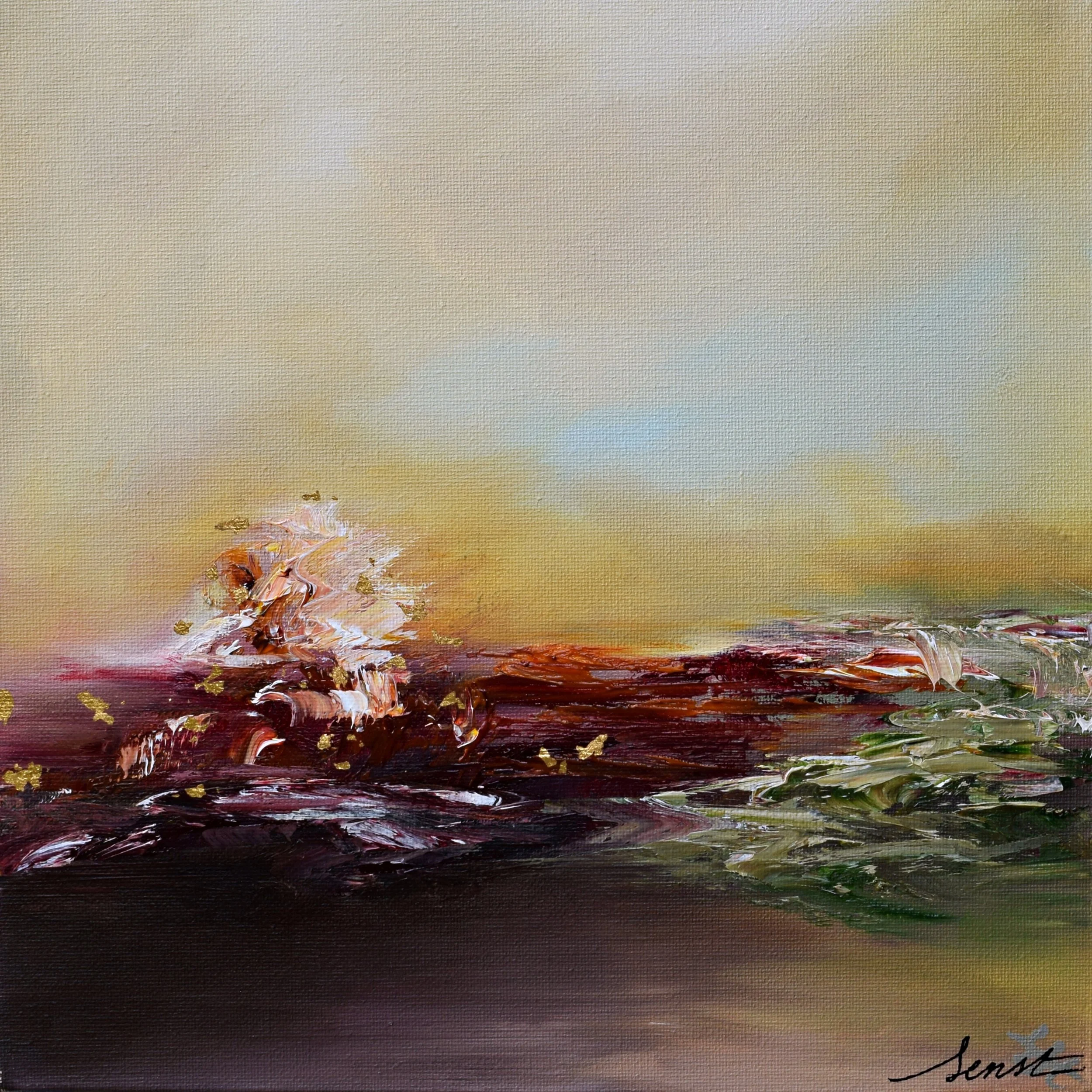
“The Original” ©Senst
Philosopher Maurice Merleau-Ponty once wrote that we do not observe the world, we inhabit it. We exist in a constant exchange between our senses and our surroundings, and meaning arises from their interaction. Science calls it synesthesia: a rare crossing of senses where sound takes on colour, and emotion finds a shape. It is a neurological condition in which sensory overlap occurs, so that sound can have colour and texture can carry emotions. For most people, these sensory boundaries stay invisible. For Stefanie, they are how she experiences reality itself. Her world does not follow the lines that separate sight, sound, and feeling. It moves freely between them, a reminder that our perception has always been more fluid than we admit.
“…she painted The Original while searching for harmony in her life. Listening to soothing songs, painting restlessly, uncertain what she was trying to find. In that way, the painting became the discovery itself.”
This could be what draws her toward both structure and freedom. Her art, like her past in law, lives at the intersection of discipline and surrender. She does not abandon logic; she transforms it into rhythm. Each painting holds that quiet tension between control and release, as if balance itself were a moving target. Stefanie once said she painted The Original while searching for harmony in her life. Listening to soothing songs, painting restlessly, uncertain what she was trying to find. In that way, the painting became the discovery itself. The colours pulse between calmness and chaos, like the music she was translating into forms and visuals. She realised only afterwards that the process had given her the very balance she was looking for. Her art is both the question and the answer. A movement toward peace through the act of creating.
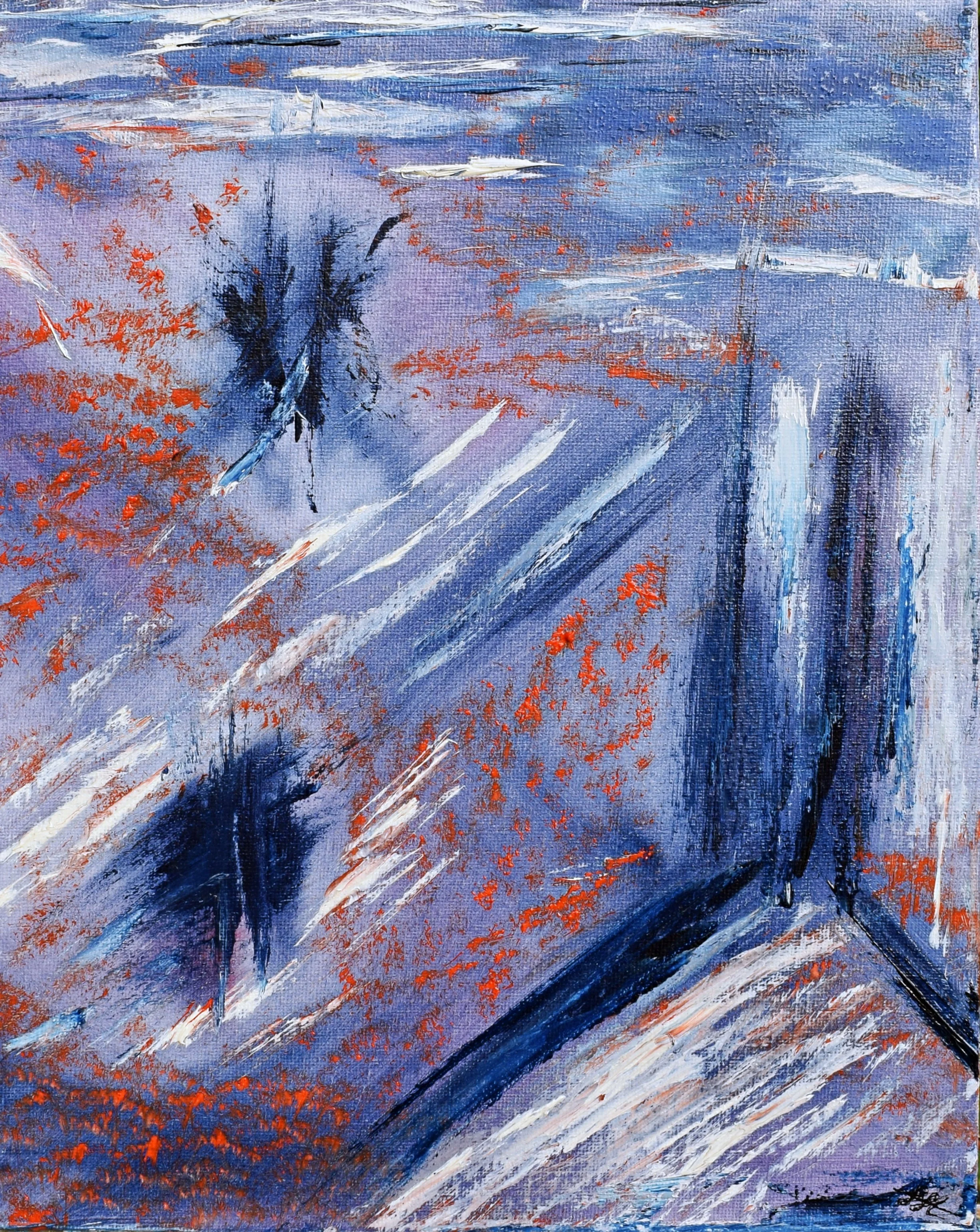
The First and Last Tango ©Senst
In another piece, The First and Last Tango, she explores the inseparability of emotion and colour. Red becomes pain, white turns into release, blue unfolds into openness and endless possibility. She paints not only by choosing colours but by feeling them. As if each emotion carried its own palette, waiting to be recognised. Merleau-Ponty described perception as something we live through, not look at. Stefanie’s paintings are exactly like that. A lived perception. They are records of emotion translated into texture, moments, when seeing and feeling collapse into one experience. In her work, colour stops being decoration. It becomes a language of being. One that does not demand to be understood, but only felt.
“Her world reminds us that seeing is never objective. That every colour we notice is already coated by feeling, constantly translating between senses, between what we feel and what we can express.”
Maybe that is the quiet truth behind both art and philosophy. They begin where language ends. Merleau-Ponty wrote that we live through perception, and Stefanie’s work shows how that can make emotion turned visible, sound given shape. Her world reminds us that seeing is never objective. That every colour we notice is already coated by feeling, constantly translating between senses, between what we feel and what we can express. The question is not whether we can see like her, but whether we can slow down enough to notice what our senses are already saying.
Background Note
Senst is the artist name of Stefanie, a self-taught artist based in Oud-Rekem, Belgium. The name joins Sen(den) and St(efanie). A quiet reminder that being an artist is one part of who she is, just as a signature is only part of a name.
Before painting, Stefanie studied law. Her life has long moved between reason and intuition. Dance once carried her emotions, but when the rhythm stopped, she found another way to express movement through colour. Painting became a continuation of dance, each brushstroke echoing rhythm and release.
She never attended art school. One class asked her to copy a model exactly, to hold her brush a certain way, and she knew then it was not for her. Freedom became essential to her process. Although her days are built on structure and precision, her nights unfold through sound, feeling, and colour. Between those two paths, she creates harmony.
To step further into Stefanie’s world of colour and movement. visit her on Instagram:
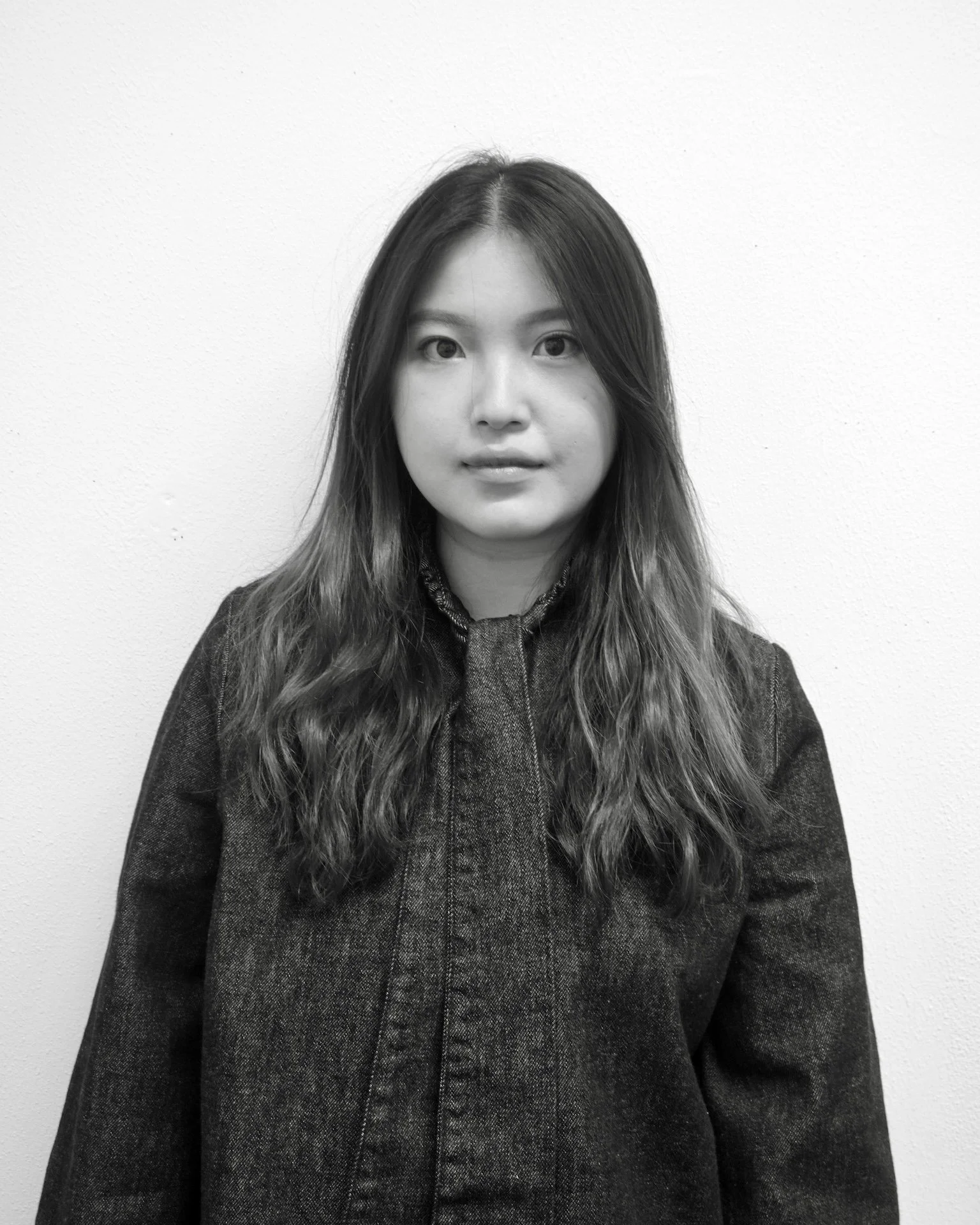
Author: Hailey Tai
“Hailey’s Comet” is where I write about what moves us. The art, books, and ideas that orbit our daily lives. From Tarkovsky’s films to banned books, and the logic of colour to questions of belief, each piece follows a spark of curiosity and lets it unfold into something humanly shared. It is a space to slow down and look closer. And to notice what usually slips past and the small things that end up meaning everything. Like a comet, each story passes through for a moment but leaves a trace of light behind.